

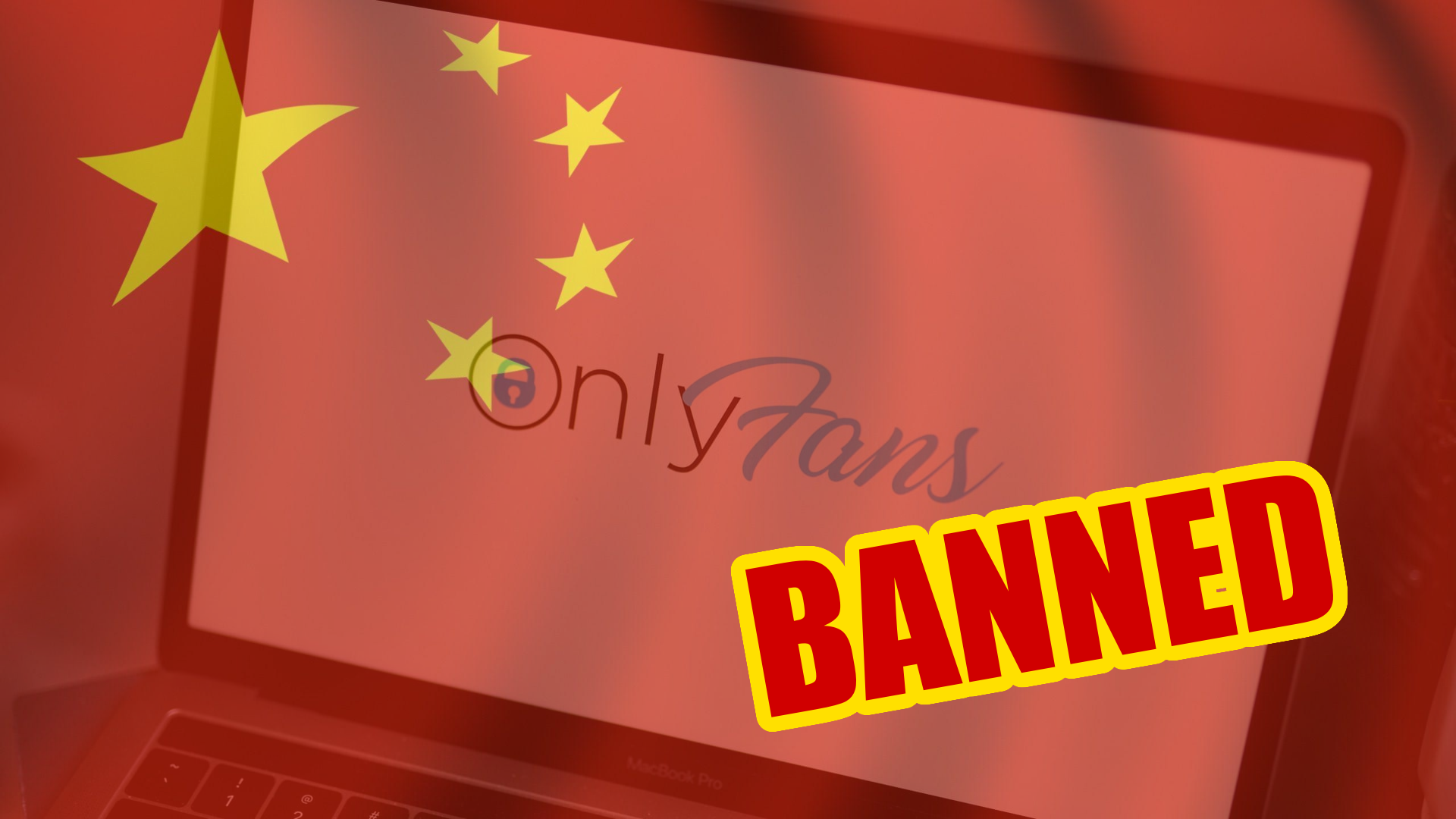
In mid-2025, news circulated widely that China formally banned access to the subscription platform OnlyFans, with state authorities labeling the service as a “corrupt Western disease” and part of an unwelcome moral influence from abroad.
This move has sparked debate online and in international media about censorship, culture and digital freedom.

From Great Firewall to total block
Although OnlyFans was never officially offered in mainland China due to strict laws against pornographic content, tech-savvy users had occasionally accessed it anyway.
For a brief period around late 2024, social media posts suggested the platform was accessible in China without a VPN, a rare exception given the usual state-imposed blocks on foreign services. This sparked chatter online and speculation about shifting policies.
But those temporary openings did not last. By mid-2025, Chinese authorities reaffirmed a full ban, closing off workarounds such as VPN access specifically for this platform.
Regulators stressed that OnlyFans — known primarily for sexually explicit user content — posed a risk to social harmony and traditional values, branding it as emblematic of “Western moral decay”.
This ban fits into China’s broader internet censorship architecture (“Great Firewall”) that routinely blocks Western social platforms and enforces local content standards designed to uphold political and moral guidelines.
Why the ban?
1. Moral protection and social stability
Chinese internet regulators, responsible for overseeing digital content, described OnlyFans as promoting “immoral online influences”. Authorities framed the service as a threat to public morality, social cohesion and traditional values, saying its content — even if not exclusively adult-themed — could undermine what China considers a healthy digital ecosystem.
This reasoning aligns with Beijing’s longstanding zero-tolerance stance on pornographic material, which is illegal to produce, disseminate or access in China.
2. Western influences and cultural sovereignty
By labeling OnlyFans a “corrupt Western disease”, the narrative taps into a broader theme in Chinese policy: resisting foreign cultural products that are seen as incompatible with “core socialist values”. This rhetoric echoes past crackdowns on Western social media, entertainment and even lifestyle discourse deemed too liberal or individualistic for Chinese society.
Reactions: online, domestic and international
Inside China
Actual domestic reaction is hard to fully gauge due to censorship and restrictions on open political expression. But on forums and social media outside censorship walls (like Reddit), a range of opinions emerged:
- Some commenters echoed the “Western decay” framing, praising the ban as moral protection.
- Others mocked or criticized the move, seeing it as heavy-handed censorship or ineffective moral policing.
Chinese netizens on Weibo previously made light-hearted jokes about OnlyFans when access briefly opened without a VPN, calling it a job opportunity for unemployed youth — a sign of how such news can be reinterpreted in times of high unemployment and economic strain.
International commentary
Outside China, discussion divided along ideological lines. Some Western voices supported China’s moral framing, arguing similar platforms may have negative effects on society. Others saw the move as extreme censorship and a blow against personal freedom and digital openness.
Public reactions ranged from humorous and satirical to serious debate about digital rights, cultural differences and global internet governance.

What this means for users and creators
For Chinese users and creators who did experiment with OnlyFans via VPNs or third-party payment methods, the ban has closed an avenue of earning and creative expression. Many of these individuals — often referred to as Key Opinion Leaders (KOLs) — now face limited alternatives on domestic platforms, which enforce stricter content moderation and offer less lucrative monetization.
The decision also signals to tech companies and content platforms that China’s approach to foreign digital services remains cautious, especially when content intersects with sexuality or perceived moral risk.
What comes next?
- Continued digital regulation
China’s internet regulation isn’t expected to ease. Platforms that don’t align with state definitions of “acceptable content” will likely stay blocked or be shut down when detected. The OnlyFans case might serve as a reference point for future decisions on similar apps. - Rise of local alternatives?
China already has robust domestic social and content platforms that conform to strict regulations. Though platforms resembling OnlyFans are unlikely due to anti-pornography law, there may be growth in subscription-based content services with non-explicit content. These would be tightly monitored to align with Chinese norms. - Policy debates abroad
Internationally, cases like this fuel discussions on digital sovereignty versus freedom of expression. Some analysts predict that other countries might monitor China’s outcomes as they shape their own tech and morality laws.
When platforms meet politics
China’s ban on OnlyFans — framed as a defense against a “Western disease” — is less about the platform itself and more about broader issues of digital sovereignty, cultural control and censorship.
Whether viewed as protective moral policy or restrictive censorship, the decision highlights deep differences in how societies manage online platforms, content and cultural influence in the digital age.
