

A country on the streets
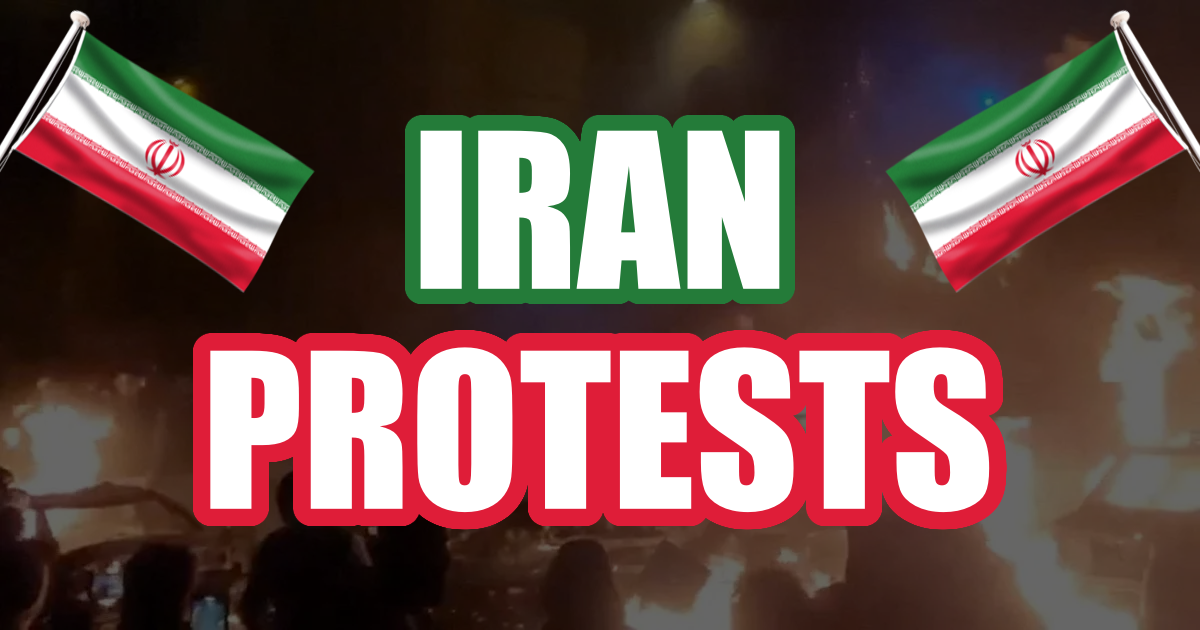
Iran has been rocked by widespread protests since late December 2025, igniting unrest across cities from Tehran to Shiraz and Mashhad. What began as economic discontent has rapidly escalated into broad anti-government demonstrations that challenge the very foundations of the current regime.
Rights groups report hundreds of deaths and thousands of arrests as security forces use lethal force to quell demonstrations.
According to data from human rights monitors, more than 500 people have been killed and over 10,000 arrested. Reuters notes authorities haven’t released official figures, but the scale of repression is clear despite a communications blackout.
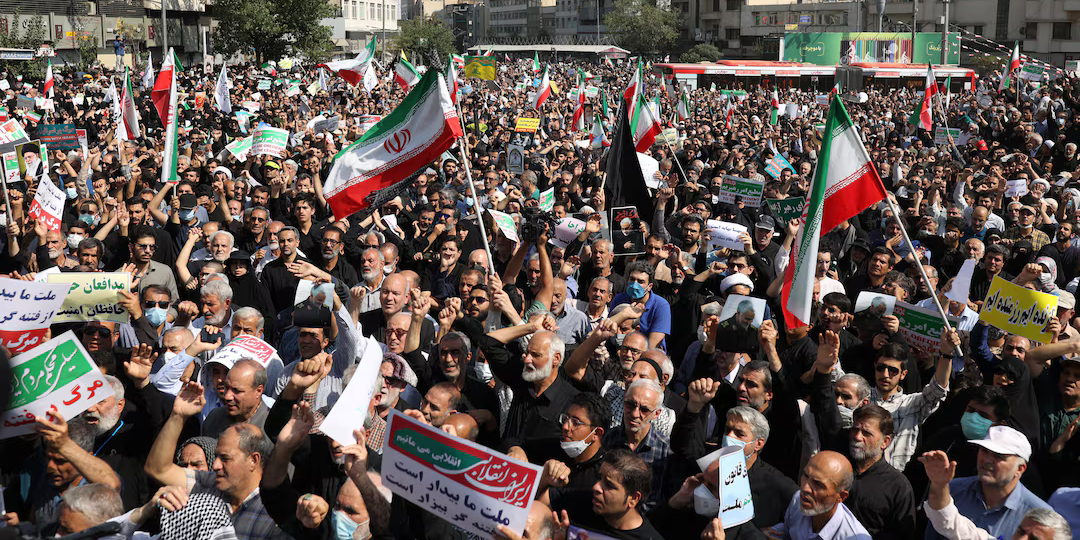
Protests have spread nationwide — reaching every one of Iran’s 31 provinces — and involve students, labor groups and ordinary citizens. They’ve grown beyond economic issues into sustained calls for political transformation and dignity.

Why are Iranians protesting?
Economic collapse meets daily hardship
The protests were sparked by frustration over a deepening economic crisis:
- The Iranian rial has plunged to record lows against the dollar, intensifying hardship.
- Inflation surged above 40%, pushing up food and essential goods prices.
- Widespread economic mismanagement, international sanctions and energy shortages have compounded public discontent.
For many Iranians, economic desperation is not isolated — it is the tipping point of broader grievances regarding political repression and lack of freedoms.
Political repression and broader discontent
While economics sparked the initial protests, slogans and chants increasingly target Iran’s political order. These include calls to end theocratic rule and, in some places, support for a new political future.
This phase of protests shows echoes of earlier movements, including the Woman, Life, Freedom movement that emerged after the death of Mahsa Amini in 2022, which called for greater rights and freedoms ahead of, and beyond, compulsory hijab debates.
Crackdowns and communications blackouts
Iran’s leadership has responded with overwhelming force:
- Demonstrators have been labeled “enemies of God” — a charge that, in Iran, may carry the death penalty.
- Security forces have shot live ammunition into crowds and detained activists by the thousands.
- Authorities have instituted a near-total internet blackout to isolate protests and disrupt coordination.
The shutdowns have not only hindered organization but also prevented the flow of independent information about state violence. Critics — including Iranian artists and cultural figures — have condemned network outages as tools of repression.
International reactions and external voices
The world is watching:
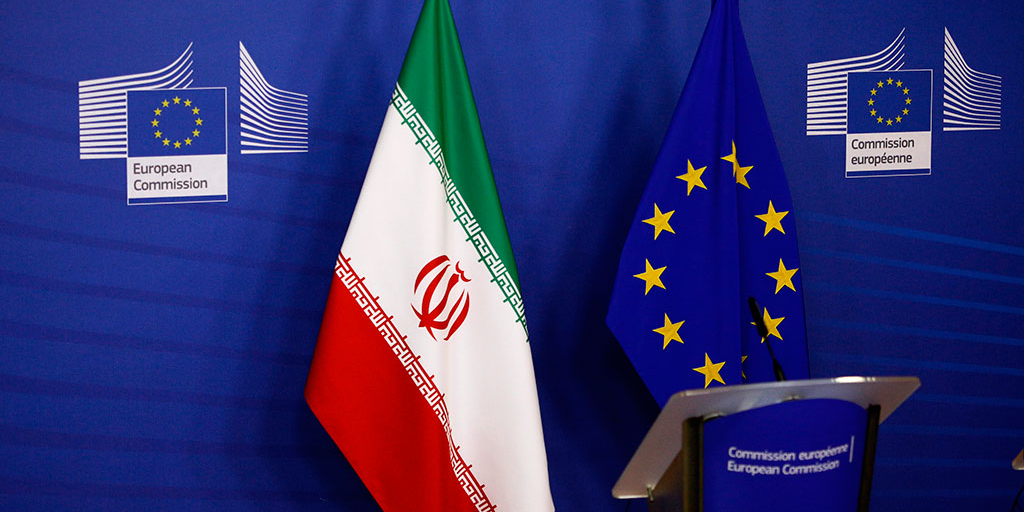
- Several Western governments — including members of the EU, Canada and Australia — have publicly criticized Iran’s crackdown and expressed support for the right to peaceful protest.
- Exiled figures like Reza Pahlavi, the son of the last Iranian monarch, have called for general strikes and occupation of cities to push for regime change.
- Solidarity protests have taken place outside Iranian embassies — for example in London, where opponents hoisted the pre-1979 “Lion and Sun” flag atop the Iranian diplomatic mission.
Some international voices have also sparked debate about the nature of global reactions — both supportive and critical — to Iran’s unrest.
Elon Musk and the Twitter (X) flag controversy
One of the most unusual, symbolic developments tied to the protests has been on social media:
The flag change on X
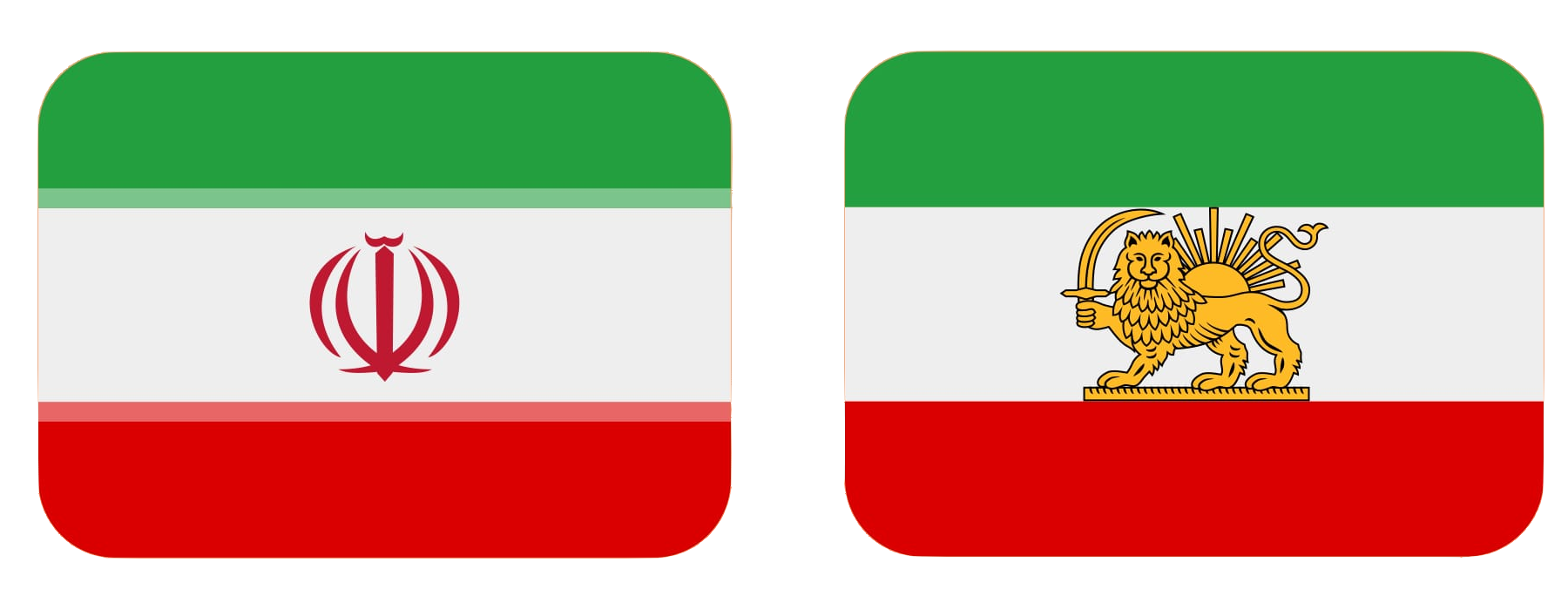
Elon Musk’s platform X (formerly Twitter) replaced the emoji for Iran’s official state flag — the emblem used by the Islamic Republic — with the historic Lion and Sun flag used prior to the 1979 revolution.
This change applies to X’s web interface and now shows the old monarchical symbol in place of the regular Iranian flag emoji — even on accounts linked to Iranian state bodies.
The move came after a user request to X’s head of product; the update was implemented shortly after.
Why it matters
- The Lion and Sun flag has become a symbol of resistance widely used by protesters inside and outside Iran.
- The emoji change, though seemingly small, has become a digital gesture of solidarity with the opposition against the clerical regime.
Public reactions
People’s reactions on social platforms have been mixed:
- Some celebrate the move as a subtle yet powerful show of support for protesters and a nod to Iran’s historic identity.
- Others criticize it as superficial or question whether Elon Musk personally directed the change, suggesting developers actually made it.
- There are also voices pushing back, expressing caution about conflating Western tech interventions with grassroots movements.
The movement’s trajectory
Iran remains tense and unpredictable. Heavy-handed repression and nationwide blackouts have not ended demonstrations; if anything, the protests continue to spread geographically and socially.
The combination of economic despair, political frustration and creative symbolism — even on platforms like X — reflects a movement that is both widespread and deeply rooted in longstanding demands for dignity and change.
At its heart, Iran’s crisis is not merely about prices and currency — it’s about a population pushing back against decades of political constraint and economic hardship, and the world’s eyes are fixed on how this story unfolds.
