

Markets woke as much as a recent geopolitical scare, and so they didn’t like what they noticed. After President Donald Trump mentioned the U.S. would blockade the Strait of Hormuz following failed Iran peace talks, oil jumped and inventory futures slipped as merchants rushed to cost in a extra harmful Center East backdrop.
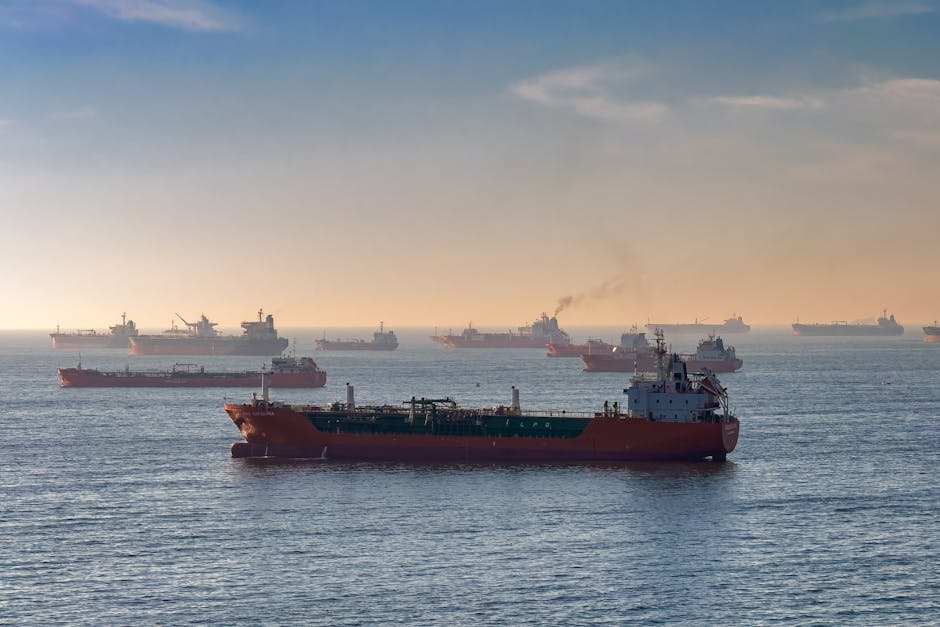
The Strait of Hormuz is not only a patch of water. It’s one of many world’s most essential vitality choke factors, with an enormous share of worldwide crude and refined gasoline shipments transferring by it day by day. When that route will get dragged right into a political combat, the response is rapid: larger oil, extra inflation nervousness, and a fast flip towards warning in equities.
Oil will get the primary hit
Crude costs moved larger nearly immediately because the blockade menace landed. That issues as a result of vitality is the primary channel by which a shock like this reaches the remainder of the market. If oil retains climbing, gasoline costs comply with, and that feeds straight into shopper sentiment and inflation expectations.
For merchants, the issue isn’t simply the headline. It’s the timing. The market was already making an attempt to soak up combined alerts on progress, charges and earnings. A sudden Iran disaster provides a recent layer of uncertainty, and uncertainty tends to punish danger belongings first.
Futures slide as traders lower danger
U.S. inventory futures weakened after the announcement, an indication that traders have been transferring shortly to scale back publicity. Protection names and a few vitality shares may gain advantage from the stress, however the broader market often pays the worth when oil spikes too quick. Increased vitality prices can squeeze margins, hold inflation sticky and complicate the Federal Reserve’s path.
That’s the actual market story right here. If this turns into greater than a one-day headline, it may hit the identical nerves Wall Road has been making an attempt to calm for months: inflation, charges and progress on the similar time. That’s a nasty combine for valuations, particularly in sectors that depend upon low cost capital and regular shopper demand.
Why the Iran angle issues now
The announcement got here simply as U.S.-Iran talks reportedly collapsed, which provides the transfer a sharper edge. Merchants don’t want a full-blown battle to reprice belongings. They only want a reputable danger that provide chains, delivery routes or regional stability could possibly be disrupted.
That’s why the response is so quick. In a market that’s already delicate to each macro headline, a brand new flashpoint within the Gulf can transfer oil, bonds and shares in the identical session. If tensions hold rising, anticipate extra strain on futures and a stronger bid for protected havens as traders resolve how a lot geopolitical danger they’re keen to carry into the following buying and selling day.
