

The market bought the message quick: diplomacy isn’t transferring, and the Strait of Hormuz continues to be the stress level that may jolt oil costs in a heartbeat. A peace summit in Pakistan ended with out a deal, whereas two American warships transited the waterway for the primary time for the reason that battle started. That mixture is precisely the type of headline merchants hate.
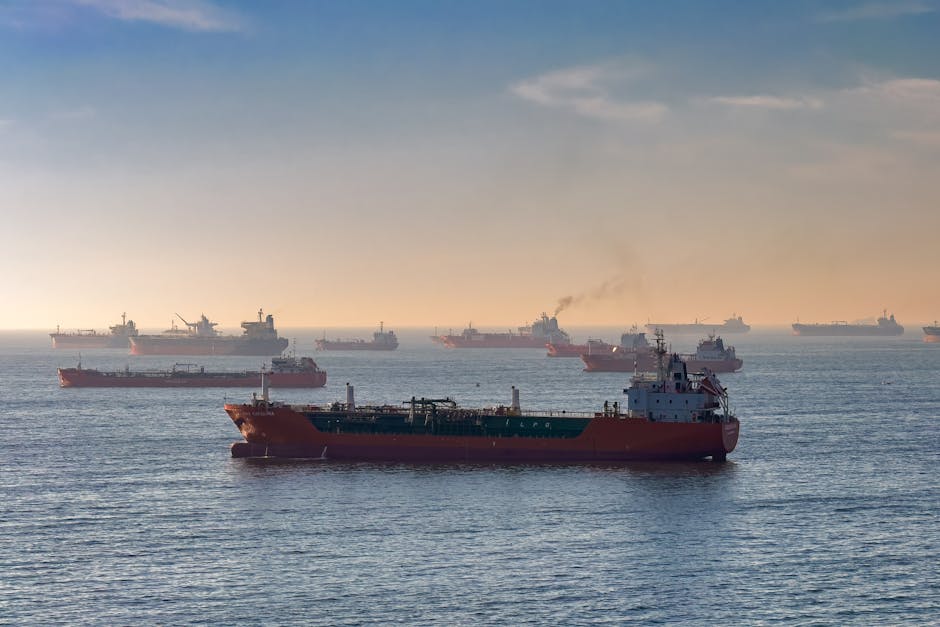
For vitality markets, the difficulty isn’t simply whether or not Washington and Tehran can discuss once more on Sunday. It’s whether or not the delicate safety backdrop round one of many world’s most essential transport lanes will get worse earlier than it will get higher. The Strait of Hormuz handles an enormous share of world seaborne crude flows, so even a touch of disruption can ripple by way of oil, freight charges and inflation expectations nearly instantly.
Why merchants are watching each transfer
Oil costs don’t want a full-blown blockade to react. They solely want a reputable menace to tankers, insurance coverage prices or naval visitors to start out pricing in threat. That issues as a result of vitality continues to be one of many quickest methods geopolitics reaches family budgets, from gasoline to heating prices to the value of imported items.
The warship transit provides one other layer of pressure. It indicators that the U.S. is preserving a visual navy presence within the space, however it additionally underscores how shut the state of affairs is to a miscalculation. Markets are likely to deal with that type of present of power as each a deterrent and a warning label.
Oil, transport and inflation all sit within the blast radius
For crude merchants, the quick query is whether or not the stalled talks grow to be a short-term headline or a longer-term provide menace. If negotiations hold dragging and safety incidents enhance, Brent and WTI may see one other volatility spike even with out a direct hit to manufacturing. Delivery shares, tanker charges and marine insurance coverage may additionally transfer rapidly if carriers begin constructing in a much bigger threat premium.
Inflation watchers have their very own cause to care. A sustained leap in oil would feed into transportation and enter prices, which might bleed into broader costs with a lag. Central banks don’t like that type of shock, particularly when markets are already delicate to the trail of charges and development.
The headline threat is larger than the headlines
The quick story is that talks stalled. The larger story is {that a} diplomatic failure is colliding with a crucial vitality chokepoint at a time when markets are already primed for shocks.
If Sunday’s talks produce no progress, merchants could begin treating the Strait of Hormuz much less like a distant geopolitical flashpoint and extra like a dwell pricing threat. And as soon as that occurs, oil received’t be the one market on edge.
