

The U.S. blockade within the Strait of Hormuz is the sort of transfer that may hit markets earlier than merchants have completed studying the headline. This slim waterway carries an enormous share of the world’s seaborne oil, so any disruption there doesn’t keep native for lengthy.
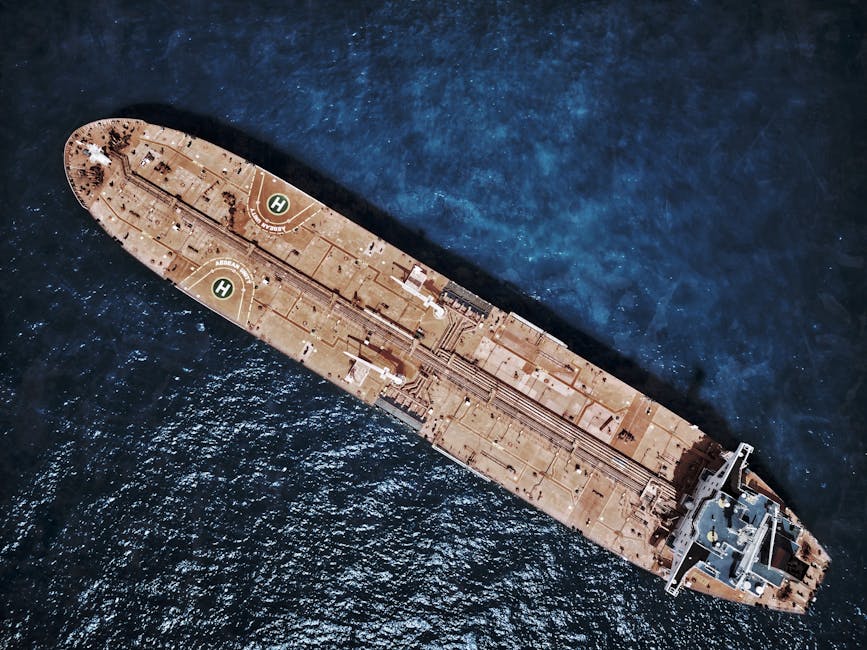
Crude futures are the primary place to look at. Brent and West Texas Intermediate can reprice inside minutes when provide via Hormuz appears threatened, and that transfer tends to unfold quick into gasoline, freight and airline shares. That issues as a result of the market isn’t simply pricing barrels — it’s pricing the price of shifting the worldwide financial system.
Why Hormuz issues so rapidly
The Strait of Hormuz hyperlinks the Persian Gulf to the Arabian Sea, making it a choke level for exports from Saudi Arabia, Iraq, Kuwait, the UAE and Iran itself. Roughly a fifth of world oil consumption passes via the route on a mean day, which is why even a brief blockade can set off a pointy danger premium.
In different phrases, the problem isn’t solely whether or not tankers maintain shifting. It’s whether or not insurers, shipowners and commodity merchants begin assuming they gained’t. As soon as that occurs, delivery charges rise, supply occasions stretch and vitality patrons start locking in provide at increased costs.
That issues as a result of the ripple impact reaches far past the oil patch. Airways are uncovered to jet gasoline prices. Shopper items firms face increased freight payments. And broader fairness markets often battle when vitality all of a sudden turns into costlier, particularly if traders assume the shock might final various days.
Inflation fears might come again quick
The actual story is the inflation angle. Central banks have spent months making an attempt to persuade markets that worth pressures are cooling, however a sustained soar in oil can revive precisely the sort of concern policymakers hate: a provide shock that feeds via transport, manufacturing and shopper costs.
If crude stays elevated, economists will begin revising near-term inflation assumptions increased. That may hit rate-cut expectations, carry bond yields and strain rate-sensitive sectors. The transfer doesn’t have to be everlasting to matter. Just a few classes of upper vitality costs might be sufficient to shift sentiment.
Traders will possible give attention to the fastest-reacting names first: oil producers, protection contractors, tanker operators and airways. Delivery shares can swing sharply on any signal of rerouting or increased war-risk premiums, whereas refiners could profit if product costs rise sooner than enter prices.
The bigger image is blunt. A blockade in Hormuz isn’t just a geopolitical headline; it’s a direct check of how fragile international pricing nonetheless is. If the disruption holds, markets gained’t have the posh of treating it as noise. They’ll have to cost it as a brand new price of doing enterprise.
And that’s the actual story: one slim waterway can nonetheless transfer the value of vitality, the price of delivery and the course of inflation expectations nearly in a single day.
