

The AI infrastructure race has formally began to look extraterrestrial. In accordance with experiences, Google and SpaceX are exploring information facilities in orbit, a startling concept that claims as a lot about Earth-bound bottlenecks because it does concerning the ambitions of the 2 corporations.
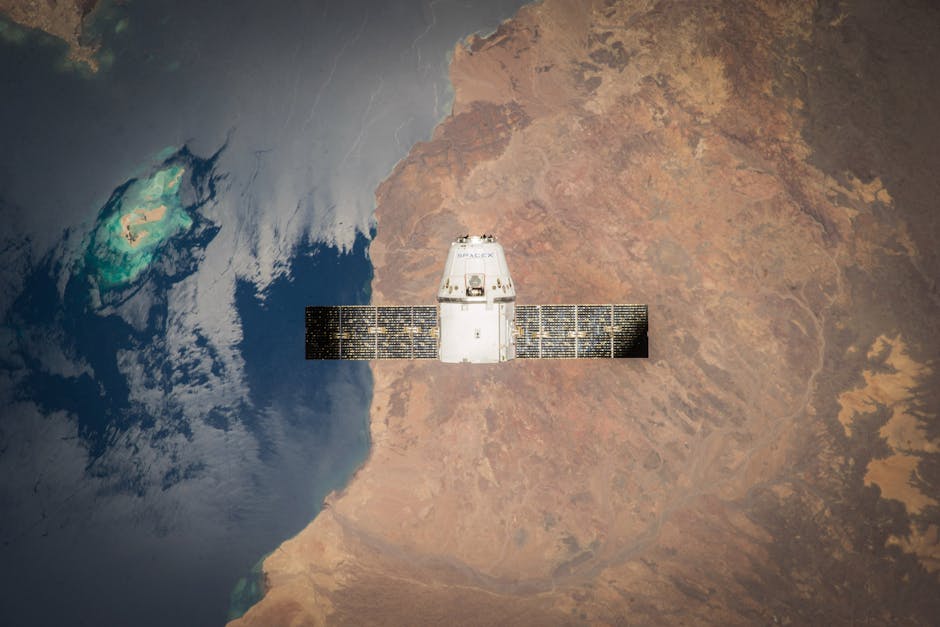
This isn’t science fiction for its personal sake. It’s a response to a brutal actuality: AI compute demand is rising so quick that energy, cooling and land have gotten strategic constraints, not simply working prices. That issues as a result of the following section of AI development might rely much less on higher chips alone and extra on the place these chips can bodily run.
Why house is out of the blue a part of the compute dialog
Information facilities are voracious machines. They want huge electrical energy provide, fixed cooling and sufficient actual property to scale with out working into native grid limits or allowing battles. On Earth, these pressures are already pushing hyperscalers towards nuclear offers, customized chips and extra aggressive buildouts in locations with low cost energy.
Orbit gives a distinct pitch. Solar energy is plentiful, cooling might be simpler within the vacuum of house, and enlargement would keep away from a number of the land-use and water complications that canine terrestrial services. In concept, an information heart in orbit might flip the solar itself right into a near-limitless vitality supply.
However the idea comes with apparent obstacles. Launch prices stay excessive, upkeep is troublesome, latency is an actual concern and {hardware} in house faces radiation, thermal swings and the fixed risk of failure. Meaning that is nonetheless extra of a strategic experiment than a near-term infrastructure plan.
AI demand is warping infrastructure technique
Even so, the truth that severe corporations are reportedly discussing orbital information facilities tells you ways excessive the AI arms race has develop into. The trade is not simply competing on fashions and merchandise. It’s competing on energy entry, provide chains and bodily capability.
Google has spent years constructing out its cloud and AI stack, whereas SpaceX has already turned house launch right into a scalable industrial enterprise. Put these two strengths collectively and the thought begins to look much less absurd than it did a yr in the past. Not as a result of orbit is the apparent reply, however as a result of the outdated solutions are getting crowded.
That issues as a result of AI is now colliding with the boundaries of the grid. Utilities are warning about load development. Information-center operators are chasing megawatts. Governments are beginning to deal with compute as strategic infrastructure. Area is what occurs when the terrestrial choices begin to look inadequate.
The larger wager is on shortage
For traders and rivals, the sign is larger than the headline. If orbital information facilities transfer from hypothesis to prototype, it might mark a brand new section within the infrastructure race: one the place essentially the most worthwhile useful resource isn’t simply silicon, however entry to vitality and house itself.
It additionally raises a sharper query. If AI retains scaling at this tempo, how far will corporations go to maintain feeding it? The reply could also be measured not simply in larger campuses or bigger chips, however in rockets, satellites and a really completely different definition of the place the cloud lives subsequent.
