

Oil merchants received the form of geopolitical shock they dread: a fast-moving U.S.-Iran confrontation that despatched crude sharply increased and Wall Road futures decrease earlier than the week even opened. With studies of assaults on ships within the Strait of Hormuz and U.S. motion in opposition to an Iranian-flagged vessel, markets did what they virtually at all times do when the Gulf turns tense — they priced in danger first and requested questions later.
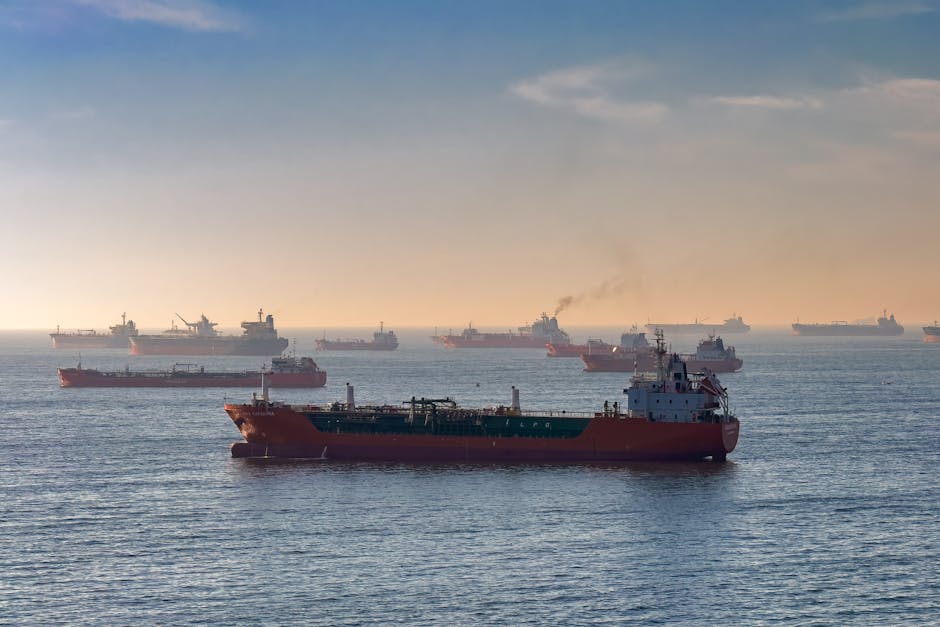
Crude jumped about 7% in early buying and selling, a transfer sufficiently big to rattle vitality desks and power buyers to rethink near-term inflation strain. On the identical time, Dow futures fell roughly 400 factors, a blunt reminder that geopolitics can hit equities as rapidly as earnings season can carry them.
Oil will get the primary and hardest hit
The Strait of Hormuz isn’t just a transport lane; it’s one of many world’s most vital vitality chokepoints. When tensions rise there, merchants instantly begin gaming out provide disruptions, insurance coverage prices, and the chance that tanker visitors slows or reroutes.
That issues as a result of even a short-lived spike in crude can ripple by way of the broader financial system. Greater oil costs feed straight into transportation prices, airline gas payments, and finally what shoppers pay on the pump and within the checkout line.
Wall Road is pricing in a risk-off transfer
The drop in futures displays a well-recognized sample: when struggle danger rises, buyers normally rotate out of shares and into safer property. Large industrial names, airways, retailers, and shopper firms are inclined to really feel the strain first as a result of increased vitality prices can squeeze margins and weaken demand.
For the Federal Reserve, this sort of shock is awkward. A sudden vitality spike can complicate the inflation image simply as policymakers try to guage whether or not value pressures are cooling or just ready for the following headline from the Center East.
The larger market sign
This isn’t nearly one evening’s headlines. It’s about how rapidly a navy flashpoint can spill into monetary markets and power buyers to reprice the world in actual time.
If the confrontation escalates, oil may keep bid and equities may stay below strain. If it cools, the market might breathe once more — however the message will have already got landed: in a nervous market, the Strait of Hormuz can transfer costs quicker than a coverage assertion, and merchants comprehend it.
