

Linux has lastly stated the quiet half out loud: AI will help write code, nevertheless it doesn’t get a free go. After months of debate, Linus Torvalds and kernel maintainers have settled on a blunt rule for one of many world’s most vital software program tasks — Copilot is allowed, sloppy AI output is just not, and people stay on the hook for no matter ships.
That issues as a result of the Linux kernel isn’t simply one other open-source repo. It’s the spine of servers, telephones, cloud methods, and an enormous chunk of the web. When Linux attracts a line, the remainder of the developer world tends to note.
Copilot can keep. The justifications can’t.
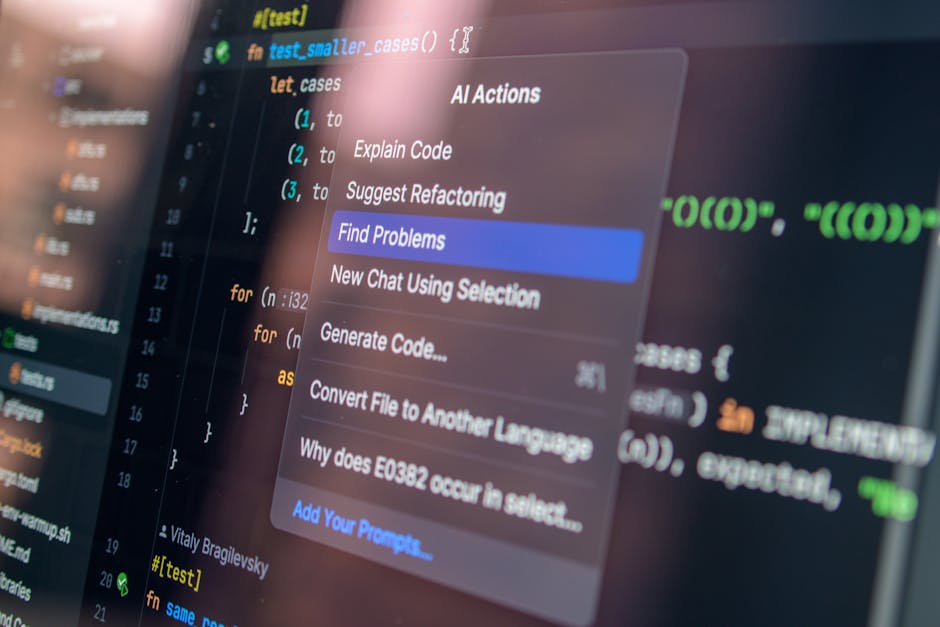
The brand new stance doesn’t ban AI coding assistants outright. That’s the important thing level. Kernel builders can use instruments like GitHub Copilot or comparable methods, however the output has to satisfy the identical requirements as every other patch: clear, comprehensible, and backed by a human who can clarify each line.
In different phrases, AI is being handled like a junior helper, not a co-author. If a contributor can’t stand behind the code, it doesn’t belong within the kernel. That’s a fairly hard-edged reply to a query that has been bouncing round developer circles for months.
The timing isn’t delicate. Firms are racing to undertake AI coding instruments, usually pitching them as productiveness magic. Open-source maintainers, in the meantime, have been elevating alarms about hallucinated logic, hidden bugs, and the authorized mess that may come from code nobody absolutely understands.
Human accountability stays entrance and heart
The kernel crew’s message is straightforward: the particular person submitting the patch owns the patch. If an AI helped draft it, fantastic. If the code is flawed, unclear, or copied from someplace doubtful, the blame doesn’t land on the mannequin. It lands on the human who hit ship.
That’s an enormous cultural shift, even when it sounds apparent. A variety of AI tooling is bought on the concept that software program work will be accelerated with out a lot draw back. Linux is pushing again on that fantasy and saying high quality nonetheless has a value — and somebody has to pay it.
For builders, meaning the bar hasn’t moved. You need to use AI to hurry up boilerplate, discover concepts, or draft a place to begin. However the kernel’s requirements round evaluation, provenance, and accountability are nonetheless the gatekeepers. No quantity of autocomplete adjustments that.
Why this resolution will echo past Linux
Linux is just not a random nook of the web. Its guidelines form how severe engineering groups take into consideration code evaluation, possession, and threat. When maintainers make a name like this, it provides different tasks cowl to do the identical — particularly in open supply, the place belief is the entire recreation.
There’s additionally a authorized angle lurking beneath all of this. AI-generated code can increase questions on licensing, attribution, and whether or not output is simply too near coaching information. Linux isn’t attempting to unravel each a kind of issues in a single shot, however it’s drawing a sensible boundary: if you happen to use AI, you continue to must do the work.
That’s the actual takeaway. The kernel isn’t rejecting AI; it’s rejecting the concept that AI will get to decrease requirements. And as extra corporations push builders to ship quicker with machine assist, Linux might find yourself wanting much less conservative than it does brutally practical — a place that might form the subsequent wave of software program guidelines nicely past the kernel.
