

The protection market’s fastest-moving commerce isn’t a fighter jet or a missile. It’s the gear designed to cease drones — and that shift is popping a once-niche class into a possible $20 billion alternative.
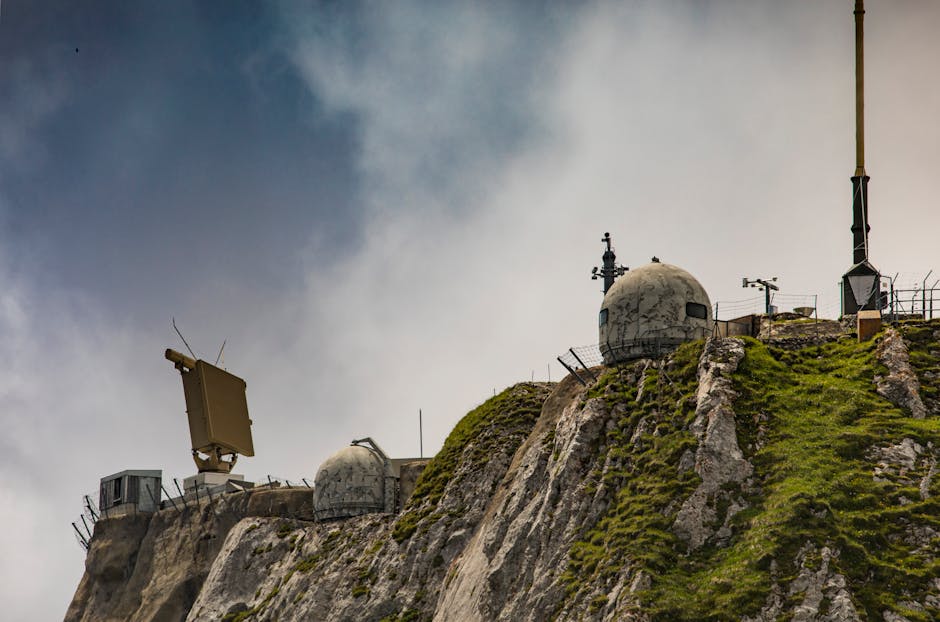
Governments from Washington to Riyadh are scrambling to guard navy bases, airports, vitality websites and different important infrastructure from low-cost, hard-to-track drones. That issues as a result of the economics are brutal: a low-cost drone can threaten property value hundreds of thousands, which suggests patrons are all of a sudden keen to pay up for detection, jamming, interception and layered air protection.
From battlefield novelty to procurement precedence
What used to appear to be an edge-case expertise is now transferring into the procurement mainstream. The conflict in Ukraine has made the purpose inconceivable to disregard, but it surely’s not only a battlefield story anymore. Civilian businesses, border forces and vitality operators are all going through the identical drawback: drones are small, quick and simple to deploy, and conventional defenses weren’t constructed for that menace.
In different phrases, counter-drone programs are now not “good to have.” They’re turning into vital line merchandise. And as soon as that occurs, budgets are likely to observe.
Why traders hold lacking the setup
Wall Avenue nonetheless tends to consider protection within the previous language of tanks, jets and big-ticket {hardware}. That’s a mistake. The actual progress is shifting towards uneven warfare instruments — sensors, software program, digital warfare and built-in programs that may spot and neutralize threats earlier than they turn into headlines.
That opens the door for firms with publicity to radar, RF detection, sign disruption, autonomous monitoring and command-and-control software program. The enchantment isn’t simply that these merchandise are in demand. It’s that they are often bought repeatedly, upgraded typically and layered throughout navy and civilian clients.
There’s additionally a geopolitical tailwind. The U.S. is increasing counter-UAS efforts, whereas Center Japanese governments are investing aggressively to defend oil services, airports and strategic websites. When each Washington and Riyadh are spending on the identical drawback, that’s not a fad — that’s a sturdy demand sign.
The actual funding story is second-order
The apparent takeaway is that drone protection is rising quick. The larger takeaway is that this area of interest is exposing a broader reset in protection spending. Governments are transferring away from purely typical procurement and towards applied sciences constructed for affordable drones, swarm assaults and digital warfare.
That issues as a result of the winners is probably not the largest protection primes alone. Smaller specialists, software-heavy contractors and dual-use tech companies might seize a significant share of the spend if they will show their programs work within the subject.
For traders, the query isn’t whether or not counter-drone tech issues anymore. It does. The actual query is which firms can flip this pressing want into recurring income earlier than the market absolutely catches on.
The following leg of the protection commerce might not come from the platform everybody already is aware of — it could come from the instruments constructed to knock the brand new menace out of the sky.
