

Wall Road is watching a geopolitical clock, and it’s ticking quick. With Donald Trump’s Tuesday deadline approaching, merchants are bracing for a doable shock to the Strait of Hormuz, the slender waterway that carries roughly a fifth of the world’s oil provide.
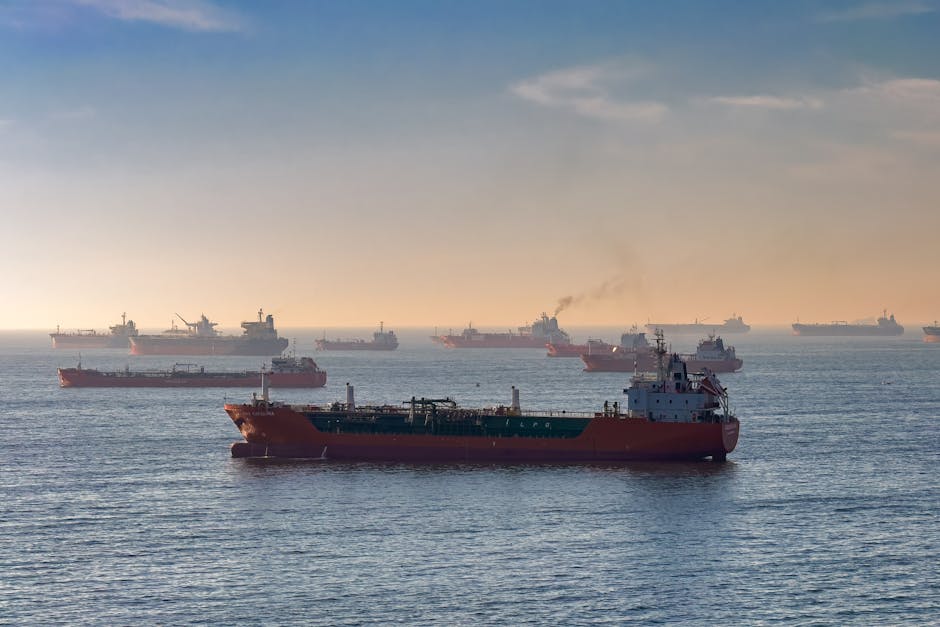
The response to date has been measured, not panicked. S&P 500 futures have been little modified in early buying and selling, whereas crude costs edged greater as buyers weighed the chances of escalation in opposition to the opportunity of a last-minute climbdown. That calm may vanish rapidly if the standoff turns from rhetoric into motion.
Oil is the primary market to flinch
Crude has been the clearest stress level. Merchants know the logic right here is brutal: if transport by Hormuz is disrupted, even briefly, power markets don’t watch for affirmation. They value in danger first and ask questions later.
That issues as a result of oil isn’t simply one other asset class. A soar in crude can feed straight into gasoline costs, freight prices, airline margins, and inflation expectations. In different phrases, this isn’t solely an power story. It’s a macro story, and markets are treating it that manner.
Trump’s warning that motion may come if Iran doesn’t comply has solely sharpened that focus. The point out of doable strikes on energy vegetation and bridges raises the stakes past diplomacy and into infrastructure danger, which is precisely the form of headline that may rattle commodities and equities on the identical time.
Equities are calm for now, however the setup is fragile
The muted transfer in S&P 500 futures suggests buyers aren’t totally pricing in a provide shock but. That doesn’t imply they’re relaxed. It means they’re ready, and the market is snug doing that proper up till the second it isn’t.
Historical past says geopolitical deadlines typically produce a two-stage response: first, a shrug; then, a quick repricing as soon as the occasion window will get shut. If Hormuz visitors is threatened, power shares may outperform, airways may slip, and broader indexes may get hit as bond yields and inflation bets shift.
The larger problem is not only the extent of oil, however the pace of the transfer. A sudden spike would power portfolio managers to chop danger, hedge extra aggressively, and reassess whether or not the market can maintain ignoring Center East provide threats.
Why Hormuz issues greater than the headlines counsel
The Strait of Hormuz is a kind of uncommon chokepoints the place geopolitics and pricing energy meet in actual time. About 20 million barrels of oil and petroleum merchandise transfer by it every day, which is why even speak of disruption can transfer markets earlier than a single cargo is delayed.
That makes Tuesday much less a date on the calendar than a stress check for international belongings. If the deadline passes with out incident, crude may cool and shares could breathe simpler. If not, the market gained’t have the luxurious of ready for readability — it’ll have to cost the chance instantly, and that would set the tone for the remainder of the week.
