

Meta’s Quest headsets are getting costlier, and the rationale says rather a lot about the place the tech trade’s priorities are headed. The corporate says it’s elevating costs as a result of AI demand is squeezing RAM provide, turning a back-end infrastructure growth into a really front-end client drawback.
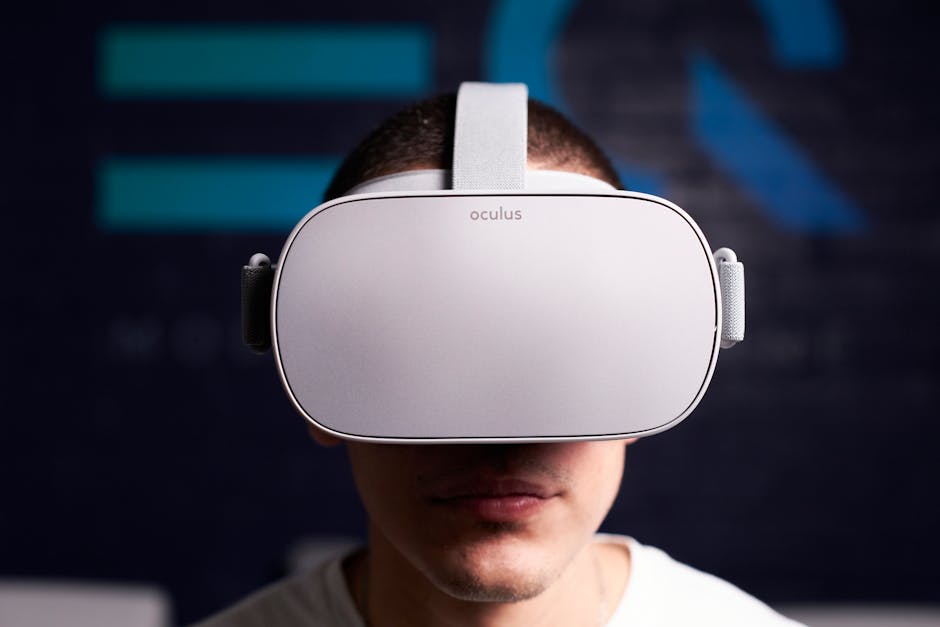
Beginning April 19, the Quest 3 will value $600, whereas the Quest 3S rises to $350. That’s not a small tweak. It’s a reminder that the AI gold rush isn’t staying inside information facilities — it’s now reaching the cabinets the place common consumers store.
AI demand is colliding with client {hardware}
Meta’s clarification is blunt: reminiscence chips are getting tougher to supply as a result of AI techniques are swallowing extra of the availability chain. Large mannequin coaching and inference run on enormous clusters filled with reminiscence, and that demand is rippling outward quick.
In different phrases, the identical buildout powering chatbots, copilots, and cloud AI companies can also be making it costlier to construct devices that don’t look something like an AI server. VR headsets, which rely on tightly costed parts, are an early casualty. That issues as a result of client electronics typically really feel the stress lengthy earlier than the broader market admits there’s an issue.
The worth hike additionally lands awkwardly for Meta, which has spent years making an attempt to make Quest the mainstream face of blended actuality. Increased costs don’t simply dent gross sales; they make the class look much more area of interest at a time when Meta desires it to really feel inevitable.
Quest is paying for a a lot greater race
This isn’t nearly Meta. It’s about how the AI growth is distorting {hardware} economics throughout the board. When reminiscence will get pulled towards AI infrastructure, everybody else begins competing for what’s left — PC makers, cellphone manufacturers, console suppliers, and now VR firms.
There’s a broader sample right here, and it’s exhausting to disregard. AI was offered as software program that might principally change workflows and productiveness. As an alternative, it’s turning into a bodily supply-chain story, with actual results on pricing, availability, and product roadmaps.
For customers, which means the invoice for AI might present up in locations they by no means anticipated. Not simply in cloud subscriptions or enterprise budgets, however in the price of the units sitting on retailer cabinets.
And if RAM shortages preserve tightening, Quest will not be the final client product to get caught within the crossfire. The subsequent wave of AI {hardware} stress might reshape every part from laptops to telephones, and the market is just starting to cost that in.
